Swim with the Ocean’s Most Graceful Giants
Some places in Komodo are all about rugged hills and epic viewpoints. Manta Point is the opposite. It is a slow, quiet kind of magic, where the main attraction appears beneath the surface and moves like it is flying through water.
This is one of the most loved marine stops in Komodo National Park because it offers something rare. A real chance to see manta rays in the wild, often from very close range, in clear tropical water.
Where is Manta Point?
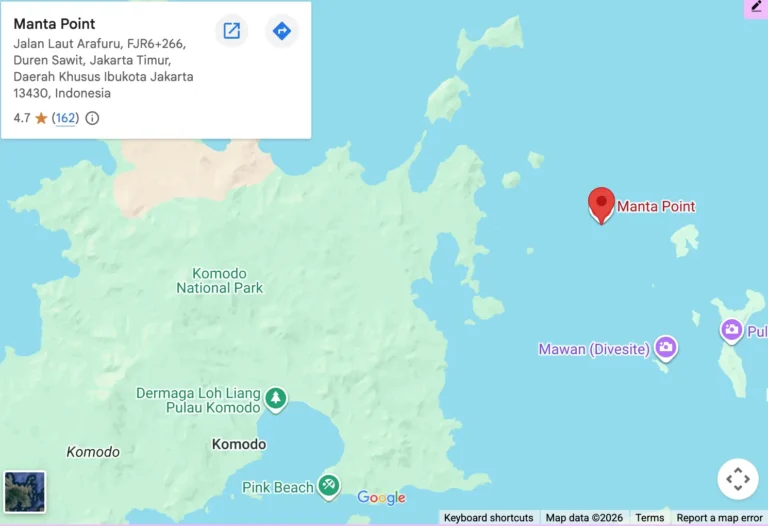
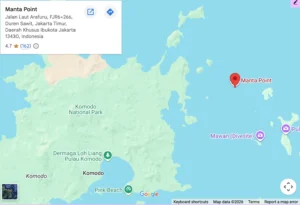
Manta Point is located inside Komodo National Park, in the waters around Labuan Bajo’s main island-hopping route. Many travelers also know it by another name: Karang Makassar. It sits close to other popular marine stops such as Taka Makassar, which is why these two locations are often paired on the same day.
What makes the location special is not the island view. It is the underwater setting. The area is known for current movement that can bring plankton into the water column. That plankton becomes a natural buffet for manta rays.
Why Manta Point is a must-visit
1) It is a real wildlife encounter
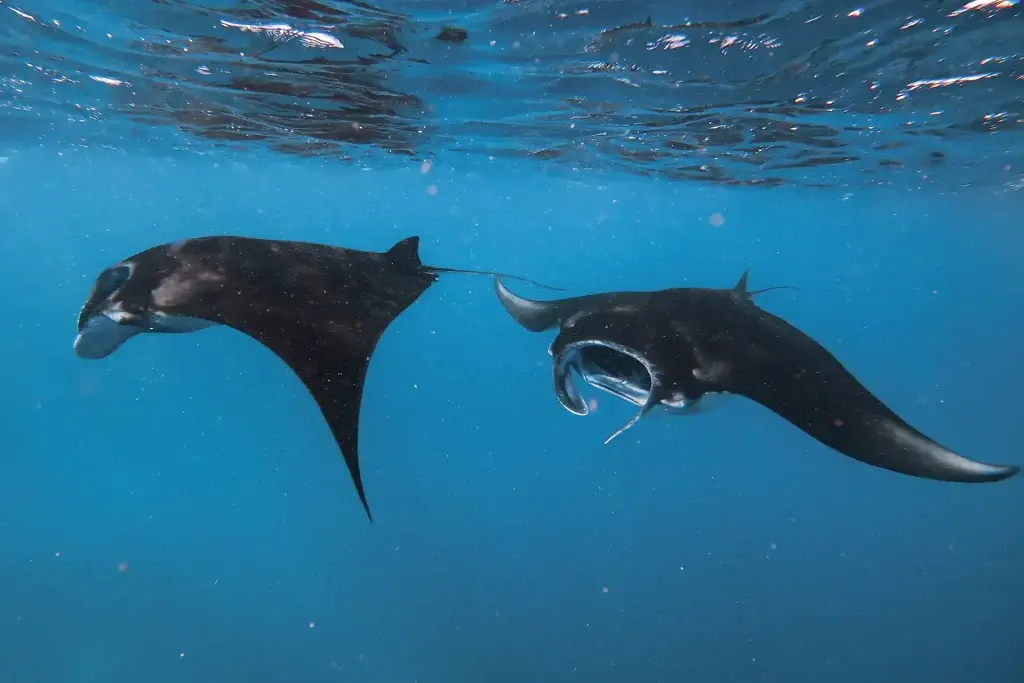
Komodo National Park. Mantas are not staged. They come and go based on water conditions, food availability, and tide. When they appear, the moment feels raw and unforgettable. You are not watching a show. You are sharing space with a protected species that moves with calm confidence.
2) You can often spot mantas even without diving
One of the best things about Manta Point is that it can be enjoyed by snorkelers. In clear water, you can sometimes see mantas from the surface, especially when they are feeding closer to the top. That makes Manta Point accessible for families and first-time ocean travelers, as long as you follow guide instructions.
3) The experience is different every time
Some days you get one manta gliding past like a shadow. Other days you might see several moving through the same area, circling and feeding. The unpredictability is part of what makes it feel special. It is never guaranteed, but it is always worth the stop.
What you might see in the water
Manta rays are the headline, but the area is not empty even when mantas are not present. Guests often enjoy the feeling of swimming in open clear water with passing fish life beneath them. The seascape is not about dense coral gardens like Batu Bolong. It is about space, visibility, and that moment when a giant silhouette rises from below.
If you are lucky, you may witness the feeding behavior where mantas move with their mouths open, filtering plankton as they glide.
The best way to enjoy Manta Point
Manta Point is not a place to rush. It is a place to be calm and present.
Enter the water quietly and keep your movements smooth.
Let the manta come to you. Do not chase it.
Keep your distance and stay in your guide’s line of sight.
If you feel current, stay close to the group and follow instructions immediately.
Komodo waters can change fast. Currents are part of why marine life thrives here, but they also require discipline. A good guide will choose the safest entry point and timing based on tide and sea state.
Responsible manta etiquette
If you want manta encounters to remain possible for future travelers, the rules matter.
Do not touch manta rays.
Do not block their path.
Do not dive down toward them while snorkeling.
Avoid splashing or loud movements that stress wildlife.
Use reef-safe sunscreen when possible.
The goal is simple. Let mantas behave naturally. Your best memories come from watching them glide freely, not from forcing a closer moment.
Perfect pairings for your itinerary
Manta Point works beautifully when combined with lighter stops on the same day, especially if you want balance between wildlife and relaxation. Many guests love pairing it with Taka Makassar for a sandbar break, then ending with a calmer snorkeling spot if conditions allow.
Closing thought
Manta Point is one of those Komodo moments you cannot fully explain until you experience it. A huge animal, moving gently through clear water, close enough to remind you how alive this park really is. If you come to Komodo for something more than photos, this is one of the places that delivers.